
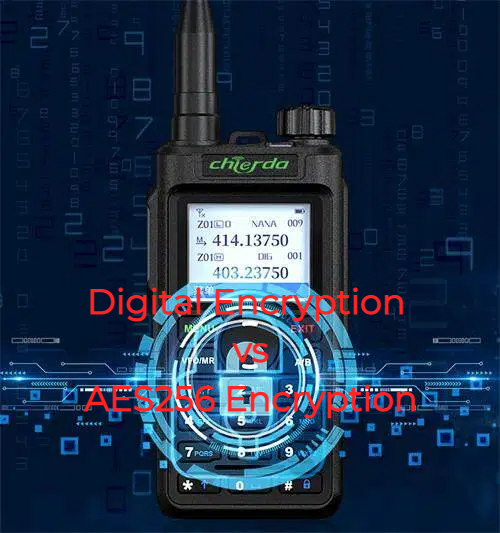
When it comes to securing your communication, encryption is non-negotiable function. But with options like digital encryption and AES256 encryption, you might wonder: Which one do you truly need, digital encryption or AES256 encryption? Both play a key role in protecting data from unauthorized access, but they differ in security level, complexity, and ideal use cases. Let’s devle into the difference of digital encryption and AES256 encryption together.
What Is Digital Encryption?
Digital encryption is a broad term referring to the process of converting plaintext communication into scrambled code using digital algorithms, ensuring only authorized parties with the decryption key can access the original information. Digital encryption is widely used in digital two-way radios, offering a basic to moderate level of security. For everyday scenarios where the risk of data breaches is low, digital encryption provides a simple, cost-effective way to safeguard communication. Unlike more advanced standards, digital encryption often uses lighter algorithms, making it faster to process and suitable for devices with limited computing power.
You should know that digital encryption is typically exclusive to devices of the same brand and cannot be used to decrypt content across different brands.
What Is AES256 Encryption?
AES256 encryption is a specific, advanced type of digital encryption that follows the Advanced Encryption Standard (AES) with a 256-bit key length. Regarded as one of the most secure encryption methods globally, AES256 encryption is trusted by governments, military organizations, and industries handling sensitive data. AES256 encryption uses a complex algorithm that makes it nearly unbreakable—cracking it would require immense computing power and time, making it ideal for high-security environments. While AES256 encryption is a form of digital encryption, its 256-bit key length sets it apart from basic digital encryption methods, offering superior protection for confidential information.
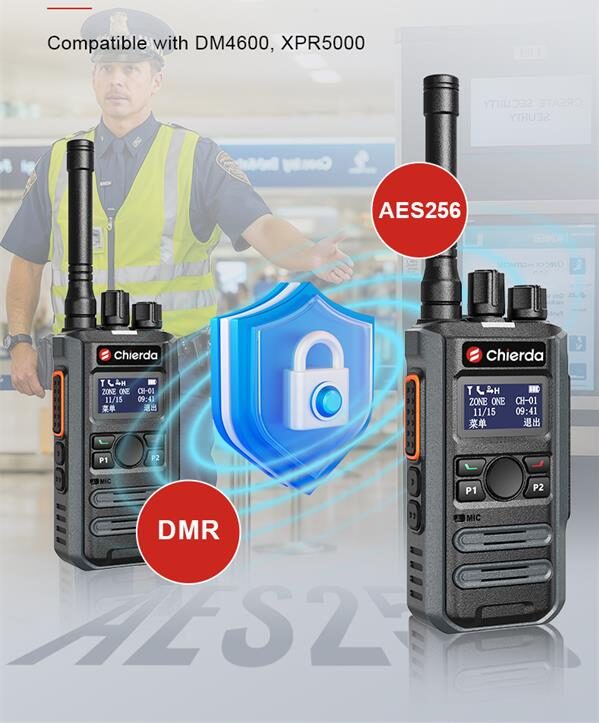
In addition, AES256 encryption has highly versatile. Adhering to international standards, digital walkie-talkies from different brands can interoperate and decrypt communications as long as they support the AES algorithm and are configured with the same key. It means you can use Brand A DMR radio with AES256 encryption function to communicate with Brand B.
Key Differences Between Digital Encryption and AES256 Encryption
Understanding the differences between digital encryption and AES256 encryption is crucial to making the right choice:
- Security Level: Basic digital encryption provides moderate security, suitable for low-risk communication. AES256 encryption is premium, offering military-grade security, protecting against advanced hacking attempts.
- Complexity & Performance: Digital encryption uses simpler algorithms, ensuring faster processing and compatibility with low-power devices. AES256 encryption’s complex algorithm requires more computing power but delivers unmatched security.
- Use Case Suitability: Digital encryption works for personal use, small businesses, or scenarios with minimal data sensitivity. AES256 encryption is essential for government, military, healthcare, and financial sectors where data confidentiality is critical.
How to Choose Between Digital Encryption and AES256 Encryption
So, which one do you need, digital encryption or AES256 encryption? Start by assessing your security needs: If you’re using two-way radios for casual outdoor activities, small team coordination, or daily business operations with non-sensitive data, basic digital encryption is sufficient. It’s affordable, easy to use, and gets the job done for low-risk scenarios.
If you handle confidential data, operate in regulated industries, or need protection against high-level security threats, AES256 encryption is a must. It ensures compliance with strict security standards and gives you peace of mind that your communication is fully protected.
Remember, AES256 encryption is a type of digital encryption, so you’re not choosing between “digital” and “non-digital”. You’re choosing the level of digital encryption that matches your risk profile.