

In the world of two-way radios, one of the most common questions users ask is: What’s the difference between analog and digital two-way radios? Both types play essential roles in wireless communication, but their performance, clarity, and functionality vary greatly. Whether you’re managing a warehouse, security team, or outdoor event, understanding the difference between analog and digital two-way radios helps you choose the right system for your needs.
What Is an Analog Two-Way Radio?
Analog two-way radios have been around for decades and remain reliable for basic communication. They transmit voice through continuous radio waves, making them simple and easy to operate.
Key features of analog radios:
Real-time voice transmission
Wide compatibility with existing systems
Lower initial cost
Easy to use and maintain
However, analog signals can suffer from static, interference, and limited range, especially in noisy or obstructed environments.
What Is a Digital Two-Way Radio?
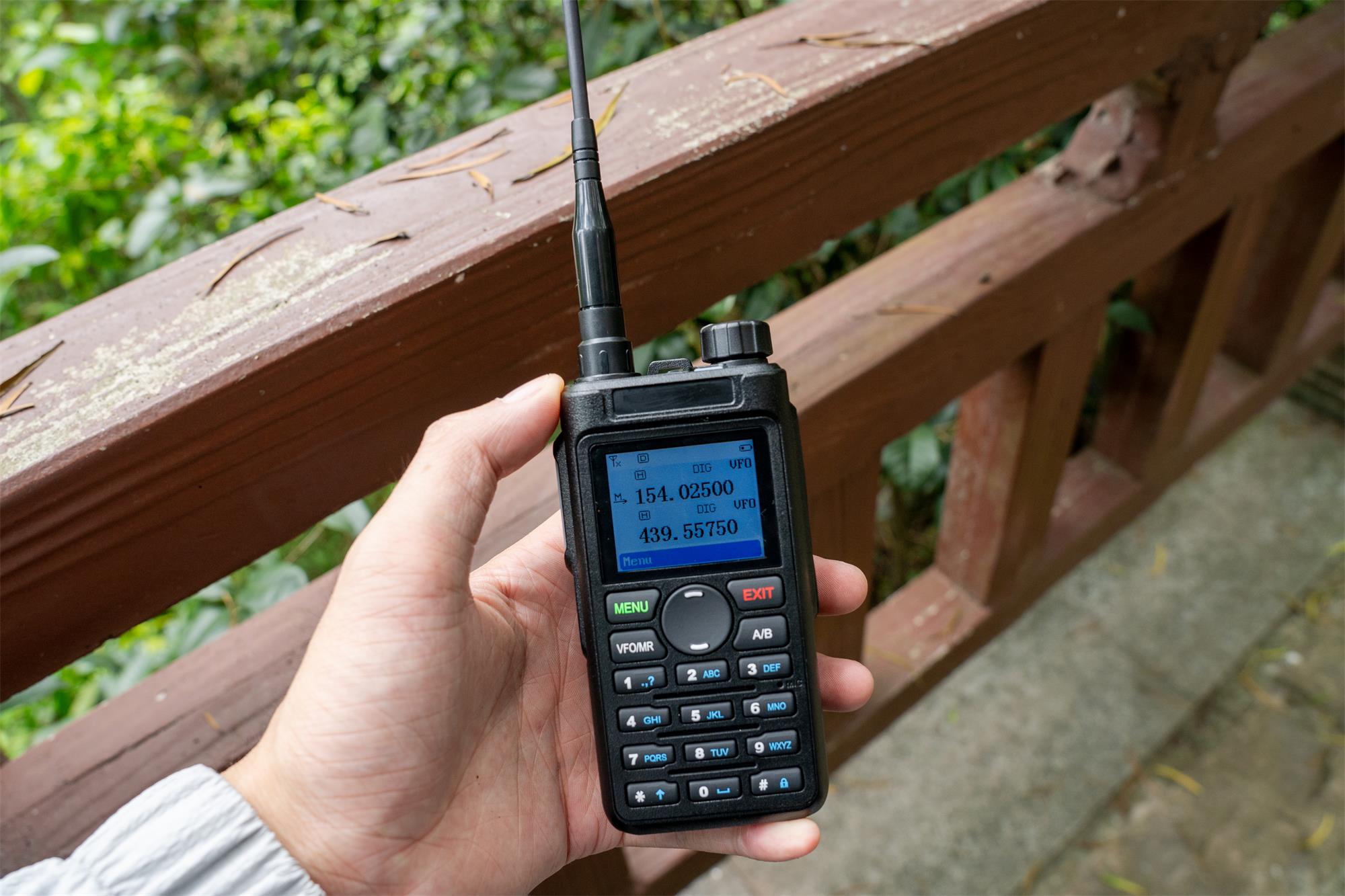
Digital two-way radios, also known as DMR (Digital Mobile Radio), convert voice into digital data packets before transmission. This improves clarity, range, and efficiency.
Key features of digital radios:
Clearer audio even at long distances
Enhanced privacy and encryption
Longer battery life
Advanced features like GPS, text messaging, and call groups
Digital two-way radios offer smarter communication with added functionalities, making them ideal for professional and industrial use.
You can refer to the table below to have a better understanding of the two walkie-talkies.
| Feature | Analog Radio | Digital Radio |
| Audio Quality | May suffer from static | Crystal-clear digital voice |
| Coverage Range | Effective in short range | Longer range and stable connection |
| Battery Life | Consumes more power | More efficient digital processing |
| Functionality | Basic voice calls | GPS, encryption, group calls |
| Cost | Lower upfront cost | Higher cost but better long-term value |
In short, analog radios are great for simple, short-range communication, while digital two-way radios are best for professional users who need reliability, security, and smart features.
Which Radio Should You Choose?
If you’re going to upgrade your communication system and couldn’t make a decision, consider your use case to choose the right radios:
Analog two-way radios → Best for small teams, short distances, or budget-conscious buyers.
Digital two-way radios → Ideal for large facilities, security operations, or outdoor industries needing advanced communication features.
Many modern users now choose digital radios for their improved clarity, coverage, and compatibility with existing analog systems (also known as dual-mode radios).
FAQs About Analog and Digital Two-Way Radios
- Are digital two-way radios compatible with analog radios?
Yes, but only some can work. Some dual-mode radios can work in both analog and digital modes, ensuring smooth transition during upgrades.
- Which has a longer communication range, analog or digital?
The answer is complex due to many factors. Generally speaking, with the same output power, digital two-way radios generally offer a more stable signal and longer effective range than analog radios.
- Is the audio quality better on digital radios?
Yes. Digital radios use noise-canceling technology to deliver clearer voice communication even in noisy environments.
- Do digital two-way radios last longer on a single charge?
Yes, digital radios use less power for the same communication, extending battery life significantly.
- Are analog radios still used today?
Absolutely. Many businesses still rely on analog radios for their simplicity, cost-effectiveness, and reliability in short-range operations. If you have tight budget, you can opt for analog radios which still can provide stable communication.
Conclusion
The difference between analog and digital two-way radios comes down to performance and functionality. Analog radios offer simplicity and affordability, while digital radios provide superior clarity, range, and advanced communication features. For businesses aiming for modern, efficient communication, upgrading to digital two-way radios is the smart move.